 JAMAをフォロー
 JAMAをフォロー
バイクツーリズム巨大市場の最前線
目次 - INDEX
「若者のバイク離れ」や「新車販売台数の減少」など、バイク業界はネガティブなニュースが先行しがちでした。しかし実際の現場を取材すると、まったく異なる光景が広がっています。バイクツーリング市場は今、かつてないほど成熟し、活況を呈しています。経済産業省や国土交通省、そして旅行会社大手のJTBまでが「バイクツーリズム」を地方創生の切り札として注目し始めました。趣味の枠を超え、地域経済や観光政策とも結びつき始めたバイクツーリズムの最前線を紐解きます。
台数から「質」へ。成熟したツーリング市場
新車販売台数の議論が先行しがちな一方で、足元では高価格帯の車両やウェア、体験型サービスの需要が広がっており、市場の重心は量から質や体験価値へ移りつつあるように見えます。たとえば、老舗バイク用品メーカーのクシタニは韓国初出店や複数の旗艦店リニューアルを続けており、高価格帯ツーリングウェアへの需要拡大を物語っています。
50〜60代を中心としたライダーたちは、300万円超のバイクを所有し、地方の宿泊・飲食に惜しまず投資する消費意欲の高い中核層の方もいると言えるでしょう。ホテル側もバイク専用駐輪場を新設するなど対応が進んでいます。バイクはかつての通勤・通学インフラから、高付加価値な「ツーリングがメインの趣味材」へとシフトしました。
過去のバイク市場とは違い、上質なバイクや用品を選び、体験に対価を払う層が増えたことで、バイクはより趣味性の高い市場として存在感を強めています。
国が動く。「地方創生」と「オーバーツーリズム解消」の切り札
京都や東京への観光集中が社会問題化するなか、国は地方への人流分散を急いでいます。コンパクトで細い道にも入れるバイクの機動力は、公共交通が届かない地方の二次交通として強力なツールです。
経済産業省も今、新車販売台数という指標だけでなく、ライダーが宿泊・飲食・ガソリン・ETCで地方経済にもたらす消費インパクトの「可視化」をバイク業界に求めており、地方創生と観光分散という国の課題に対して、バイクはこれまでになく追い風を受けています。
こうした流れを学術的に裏付けるのが、バイクツーリズム研究の第一人者である岡山理科大学の林 恒宏(つねひろ)教授です。林教授は、バイクが地方の二次交通として機能することに加え、「観光で重要なのは宿泊し、その土地の名産を食べ、お土産を買うこと。個人の客単価が高いのがモトツーリストの特徴だ」と指摘します。さらに、バイクの機動力が細い道や山間部にも入れる強みを持ち、オーバーツーリズムで疲弊した観光地の混雑を地方へ分散させる手段として極めて有効だと評価しています。数字に表れにくいモトツーリストの経済波及効果を「可視化」することが、行政を動かし、バイクツーリズムを地域政策の正式なアジェンダに乗せるための鍵だとも語っています。
「ツーリング」から「ツーリズム」へ。JTB参入と「ルートの価値化」
かつてはバイクショップが客を連れてツーリングに行く文化がありましたが、その機会は減少しています。代わりに台頭しているのが、ガイドが同行し、ルートと体験をパッケージする「バイクツーリズム」です。個人で自由に走る「ツーリング」とは異なり、ガイドしか知らない場所や食、地域の文化体験が組み込まれ、自分では気づかなかった日本の魅力に出会える旅です。
バイク旅専門旅行会社モトツアーズジャパンが手がける女性向けの「プリンセスツアー」では、走ることに加え、箱根の寄木細工の工房訪問など文化体験も盛り込んでいます。職人の技術に触れることで工芸品の価値を理解した旅行者が高価な品を買って帰る。この「価値を理解したうえで購入する」好循環こそ、バイクツーリズムが地域経済に貢献できる核心です。
こうした動きに旅行業界大手のJTBも注目し、2026年3月にモトツアーズジャパンと訪日インバウンド市場の拡大を目的とした基本合意(MOU)を締結しました。集客・手配を得意とするJTBとバイク旅の専門性を持つモトツアーズジャパンの組み合わせは、バイクと旅行業界が本格的に交差し始めた象徴です。第53回東京モーターサイクルショー2026でも、この提携は「旅行業界のメジャーなプレイヤーがバイク旅に本格参入した歴史的な一歩」として業界関係者の間で注目を集めました。
今後さらに重要になるのが、「スポット(点)」から「ルート(線)」へのブランド化です。米国の「ルート66」は開拓の歴史とライフスタイルがストーリーとして定着し、欧州アルプスは走破することが自己実現につながっています。日本でも阿蘇や北海道のルートを物語ごとブランド化し、伝統・食文化・四季をいかに「体験の価値」に転換するかが、地域貢献のカギになります。
バイクで旅することの価値がかつてなく高まっている今、ライダーが走り、泊まり、食べ、地域の文化に触れる、その一つひとつが、この大きなうねりを動かす力になっています。バイクで出かけることは、もはや単なる趣味ではありません。日本各地に新たな旅の文化をつくる、最前線の行動なのです。
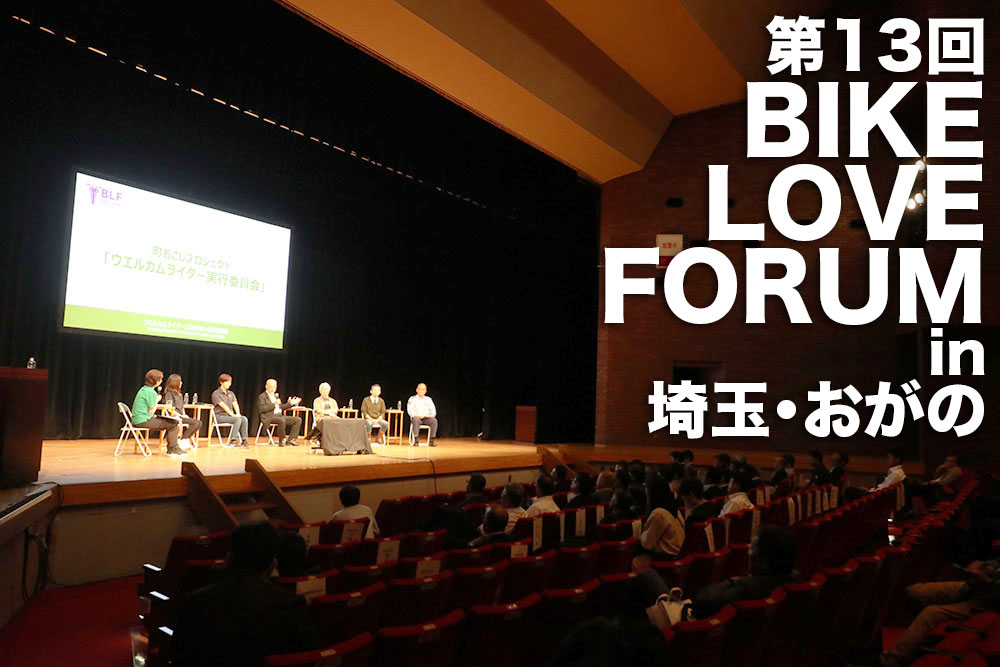
なお、2026年9月11日(金)に熊本県で開催予定の「第14回 BIKE LOVE FORUM in 熊本・おおづ」でも、バイクツーリズムに関する講演が予定されており、その動きは一過性ではなく、業界全体の潮流として広がりつつあります。
English Version : At the Forefront of the Huge Motorcycle Tourism Market.
The motorcycle industry in Japan has often been dominated by negative news, such as “young people turning away from motorcycles” and “declining new vehicle sales.” However, when we visit the actual scene, a completely different picture emerges. The motorcycle touring market is now more mature and vibrant than ever before. The Ministry of Economy, Trade and Industry, the Ministry of Land, Infrastructure, Transport and Tourism, and even major travel agency JTB have begun to view “motorcycle tourism” as a key strategy for regional revitalization. We explore the front lines of motorcycle tourism, which has transcended the realm of mere hobby and is now becoming intertwined with regional economies and tourism policies.
From Quantity to Quality: A Mature Touring Market
While discussions often focus on new vehicle sales figures, demand for high-end motorcycles, gear, and experiential services is growing on the ground, suggesting that the market’s focus is shifting from quantity to quality and experiential value. For example, long-established motorcycle gear manufacturer Kushitani has opened its first store in South Korea and is renovating several flagship stores, reflecting the expanding demand for high-end touring gear.
It can be said that riders, primarily in their 50s and 60s, form a core group of consumers with strong spending power—some owning motorcycles priced over 3 million yen and investing generously in regional lodging and dining. Hotels are also responding by taking steps such as establishing dedicated motorcycle parking areas. Motorcycles have shifted from their former role as infrastructure for commuting to school or work to becoming high-value-added “hobby items centered on touring.”
Unlike the motorcycle market of the past, the growing number of riders who select high-quality motorcycles and gear and are willing to pay for the experience has strengthened the motorcycle’s presence as a market with a strong emphasis on hobbyism.
The Government Takes Action: The Motorcycle Tourism would be The Key to “Regional Revitalization” and “Solving Overtourism”
As the concentration of tourism in Kyoto and Tokyo becomes a social issue, the government is rushing to disperse the flow of people to rural areas. The mobility of motorcycles—which can navigate compact/narrow streets—makes them a powerful tool for secondary transportation in rural areas where public transit does not reach.
The Ministry of Economy, Trade and Industry is now asking the motorcycle industry not only to report on new vehicle sales figures but also to “visualize” the economic impact riders have on local economies through spending on lodging, dining, gasoline, and ETC tolls. As a result, motorcycles are receiving unprecedented support in addressing the national challenges of regional revitalization and tourism dispersion.
Professor Tsunehiro Hayashi of Okayama University of Science, a leading authority on motorcycle tourism research, provides academic backing for this trend. Professor Hayashi points out that, in addition to motorcycles functioning as secondary transportation in rural areas, “What is important in tourism is staying overnight, eating local specialties, and buying souvenirs. A key characteristic of motorcycle tourists is their high per-person spending.” Furthermore, he notes that motorcycles’ mobility allows them to access narrow roads and mountainous areas, making them an extremely effective means of dispersing crowds from tourist destinations exhausted by overtourism to rural areas. He also states that “visualizing” the economic ripple effects of motorcycle tourists—which are difficult to quantify—is the key to motivating local governments and placing motorcycle tourism on the official agenda of regional policy.
From “Touring” to “Tourism”: JTB’s Entry and “Monetizing Routes”
In the past, there was a culture where motorcycle shops would take customers on touring trips, but such opportunities have been declining. Taking their place is “motorcycle tourism,” where a guide accompanies participants and packages routes with unique experiences. Unlike “touring,” where individuals ride freely on their own, these trips incorporate places, cuisine, and cultural experiences known only to the guide, allowing travelers to discover the charms of Japan they might not have noticed on their own.
The “Princess Tour,” a program for women organized by Moto Tours Japan—a travel agency specializing in motorcycle travel. https://www.mototoursjapan.com –
includes cultural experiences such as visits to a Hakone marquetry workshop in addition to riding. By experiencing the artisans’ skills firsthand, travelers come to understand the value of the crafts and purchase high-quality items to take home. This virtuous cycle of “understanding and consuming” is the very essence of how motorcycle tourism can contribute to the local economy.
Major travel industry player JTB has also taken note of this trend and signed a Memorandum of Understanding (MOU) with Moto Tours Japan in March 2026, aimed at expanding the inbound tourism market. The combination of JTB, which excels in attracting customers and making travel arrangements, and Moto Tours Japan, with its expertise in motorcycle travel, symbolizes the beginning of a full-scale convergence between the motorcycle and travel industries. At the 53rd Tokyo Motorcycle Show 2026, this partnership also attracted attention among industry insiders as a “historic step marking the full-scale entry of a major player in the travel industry into motorcycle travel.”
Moving forward, the shift from branding “spots” to branding “routes” will become increasingly important. In the U.S., “Route 66” has established itself as a story rooted in the history of the frontier and a distinct lifestyle, while traversing the European Alps is seen as a path to self-realization. In Japan as well, the key to contributing to local communities lies in branding routes in areas like Aso and Hokkaido along with their stories, and in transforming traditions, food culture, and the four seasons into “experiential value.”
The value of motorcycle travel is higher than ever, every single action—from riding and staying overnight to dining and experiencing local culture—is driving this massive wave of change. Motorcycle travel is no longer just a hobby; it is becoming an integral part of fostering a new culture of travel across Japan.
Furthermore, a lecture on motorcycle tourism is scheduled for the “14th BIKE LOVE FORUM in Kumamoto/Ozu,” set to take place on Friday, September 11, 2026, in Kumamoto Prefecture. This indicates that the movement is not a passing fad but is spreading as a trend across the entire industry.
モトツアーズジャパン
RECOMMEND
あなたにオススメ